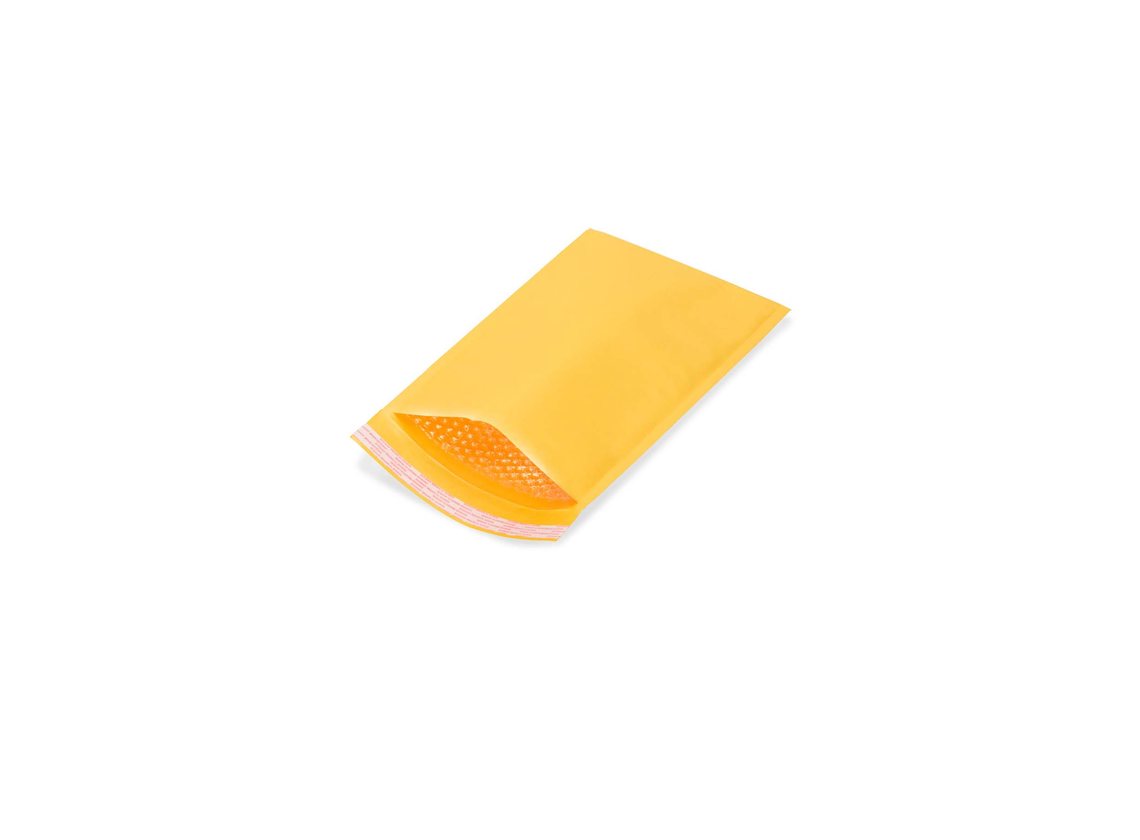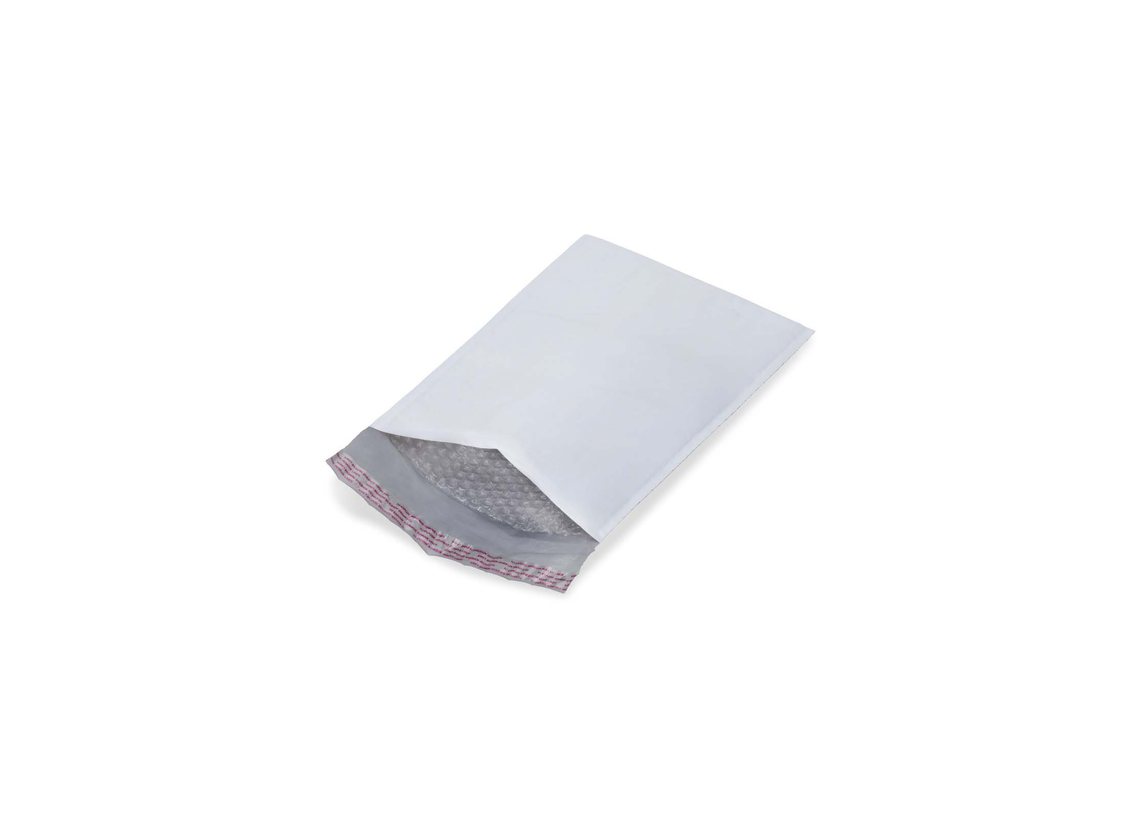
Use a bubble mailer when the item is flat, light and not crushable — apparel, accessories, books, documents, cosmetics or small electronics in their own retail carton — and use a corrugated box when the item can be crushed, is heavy, has sharp corners, holds liquid or will ride under other freight. For everything in the first group, the mailer is usually the cheaper option on packaging, packing labor and shipping, and it protects enough.
The two do different jobs. A bubble mailer cushions: the air cells absorb the bumps and scuffs of a parcel network. A box resists: its walls hold their shape when something heavy sits on top. Most packaging mistakes run in one of two directions — a box used for a T-shirt, or a mailer used for a glass jar.
When is a bubble mailer enough?
A bubble mailer is enough when the item survives being pressed flat and doesn't need a rigid shell around it. That covers a large share of e-commerce catalogs:
- Apparel and folded textiles — shirts, leggings, scarves, socks
- Accessories — jewelry, watch straps, phone cases, cables, small leather goods
- Books, prints and documents — add a stiff board if the item must not bend
- Cosmetics and personal care already sealed in their own carton
- Small electronics and parts in retail packaging that carries its own structure
- Light, non-fragile spares and components that only need scratch and bump protection
When do you need a box?
You need a box whenever the product depends on the package to hold its shape. A padded mailer adds cushioning, not crush resistance, so these belong in corrugated:
- Crushable items — glass, ceramics, candles in jars, rigid gift boxes that must arrive unmarked
- Heavy, dense items that put their weight on the mailer's seams and film
- Anything that will be stacked under other freight on a pallet or in a truck
- Liquids, which need leak containment a padded mailer cannot provide
- Sharp corners and edges — tools, metal parts, hard plastic housings — that can puncture film or paper
- Products too large to lie flat in the largest stock mailer, a #7 (14.25 × 19")
How does dimensional weight change the math?
Carriers bill a parcel at the greater of its actual weight and its dimensional weight, so a light item in an oversized package can be billed as if it weighed more than it does. Dimensional weight is the parcel's length × width × height divided by a divisor the carrier sets for each service — which means packaging volume, not just product weight, can set the bill.
A filled bubble mailer is only about as thick as what's inside it, so its volume tracks the product. A box has fixed dimensions picked from whatever sizes the pack station stocks, and the empty space inside is measured and billed like product. Take a folded shirt: in a 12 × 10 × 4" box the parcel measures 480 cubic inches; in a #4 mailer (9.5 × 13") filled about 1.5" thick it measures roughly 185. Same divisor, well under half the dimensional weight.
Key fact: dimensional weight is calculated from a parcel's outside measurements, so a mailer's advantage is that it doesn't carry air the way a box does. Whether dimensional pricing applies to a given shipment depends on the carrier and service — check the current rules for the services you actually use.
Mailers usually win on packing speed and storage
A mailer is ready to fill straight out of the case: insert the product, peel the liner, press the self-seal flap and label it. A box line erects the box, tapes the bottom, adds void fill, closes and tapes the top — more steps, more materials, more time per order.
Storage follows the same logic. Boxes arrive knocked down flat, but a box line also keeps several box sizes, tape and void fill on hand, while a mailer line runs on cases of flat mailers in a handful of sizes from the #000–#7 chart. For a pack station short on floor space, that difference shows up quickly.
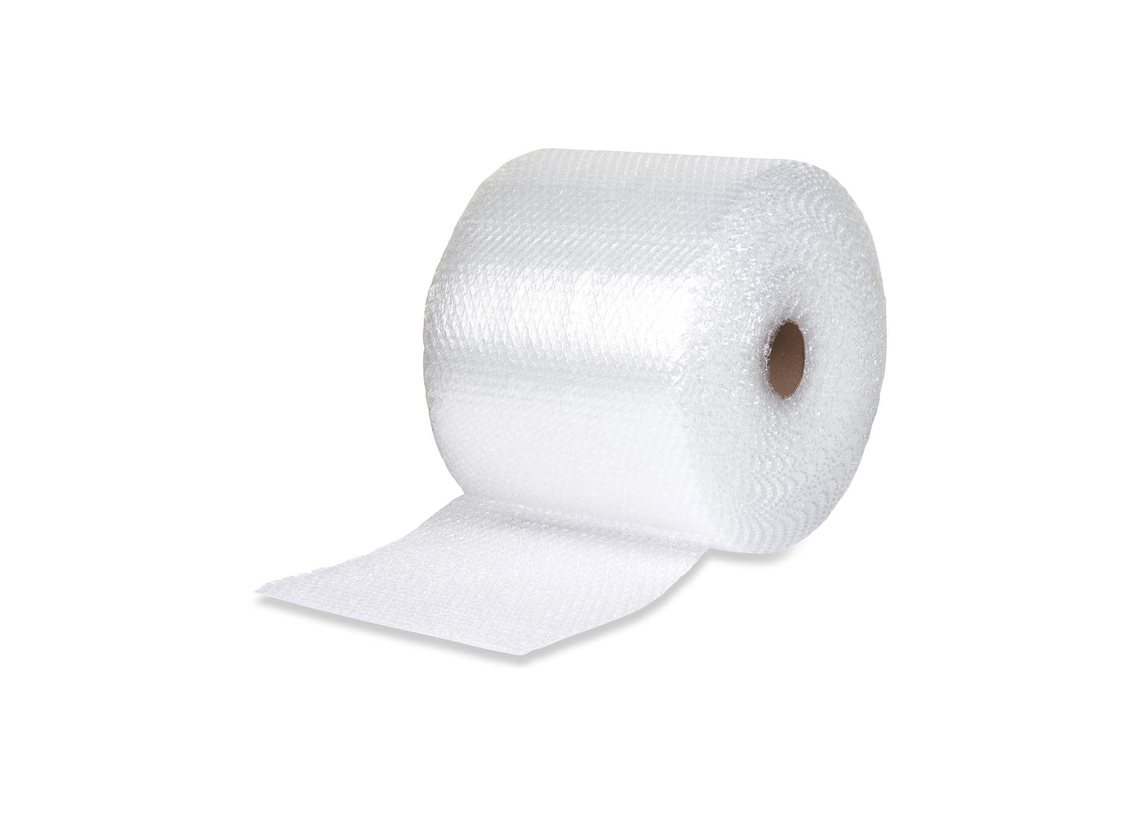
Many shippers run both: mailers for the flat, light majority of orders and boxes for the fragile or heavy minority. Inside those boxes, the cushioning is often still bubble — wrapped from a roll or packed in a bubble bag.
Bravo Pack doesn't make boxes. It manufactures poly and kraft bubble mailers in 11 stock sizes and custom dimensions at its plant in Tijuana, Baja California, plus bubble rolls and bubble bags for what still ships in corrugated. To see which of your SKUs can move into a mailer, send your product list and monthly volumes through the contact page for a job-specific quote, or start with the mailer size chart.
Quick answers
Is a bubble mailer cheaper than a box?
For flat, light, non-crushable items, usually yes. The mailer costs less as packaging, needs no void fill or tape, and often bills at a lower dimensional weight; for heavy or fragile items the comparison doesn't apply, because a mailer isn't adequate protection.
Can I ship books in a bubble mailer?
Yes — books are one of the most common uses for bubble mailers, because they're flat, hold their own shape and aren't crushable. Pick the smallest size the book slides into with the flap closing flat; for collectible hardcovers where corners matter, a box with cushioning is the safer call.
Do bubble mailers avoid dimensional weight charges?
Not automatically: carriers can apply dimensional weight to any parcel, mailers included. A mailer simply keeps the parcel's volume close to the product's, so its dimensional weight is less likely to exceed its actual weight.