Buying bubble mailers from a manufacturer in Mexico mostly changes time and commitment: product crosses a land border by truck instead of an ocean by ship, so you can order smaller quantities more often and keep far less packaging in the warehouse. Importing from Asia can still be the right call when your volume is very large, steady and unprinted, and you can plan months ahead.
We run a bubble mailer plant in Tijuana, so we have an obvious side in this question. What follows is the honest version: what moves in your favor when the factory is close, what doesn't, and the case where we'd tell you to keep importing.
Transit: a truck across the border instead of a ship across the Pacific
Overland freight from a plant at the U.S.–Mexico border runs on a much shorter and more predictable clock than ocean freight from Asia. An import has to be loaded at an origin port, cross the ocean, clear a U.S. port, pass customs and then move by drayage to your warehouse, and each of those handoffs can slip with vessel schedules or port congestion. A border plant skips the ocean and the ports entirely.
Key fact: Bravo Pack manufactures in Tijuana's Parque Industrial Pacífico, minutes from the Otay Mesa crossing into San Diego, and its orders reach the U.S. overland, with no ocean leg at all.
Inventory and minimums: import quantities mean warehousing months of packaging
Ocean freight only pays off in container-sized lots, so an import program usually means buying, paying for and storing many months of mailers at once. That ties up cash, eats pallet positions, and leaves you exposed if a size stops selling or your branding changes. A nearby manufacturer can work with much smaller orders delivered more often.
Here is how the two models compare on what you actually carry:
- Importing: a container load per order, safety stock to cover the long and variable transit, and cash committed well before the mailers are used.
- Buying from a border plant: minimums far below container-load quantities (ours are confirmed per quote by size, facing and print), reorders sized to what you ship, and less buffer stock because the supply line is short.
- Either way: mixing sizes in one order and forecasting by size keeps minimums manageable; ask any supplier how they count them.
Samples, print changes and plant visits all move faster when the factory is close
A short supply line also shortens the development loop. Physical samples come by ground rather than international courier, so testing a size, trying a kraft face against poly, or checking whether a custom dimension fits your product takes one round trip instead of several. Because we extrude our own bubble film, laminate and convert under one roof, a change to the spec doesn't wait on a second supplier.
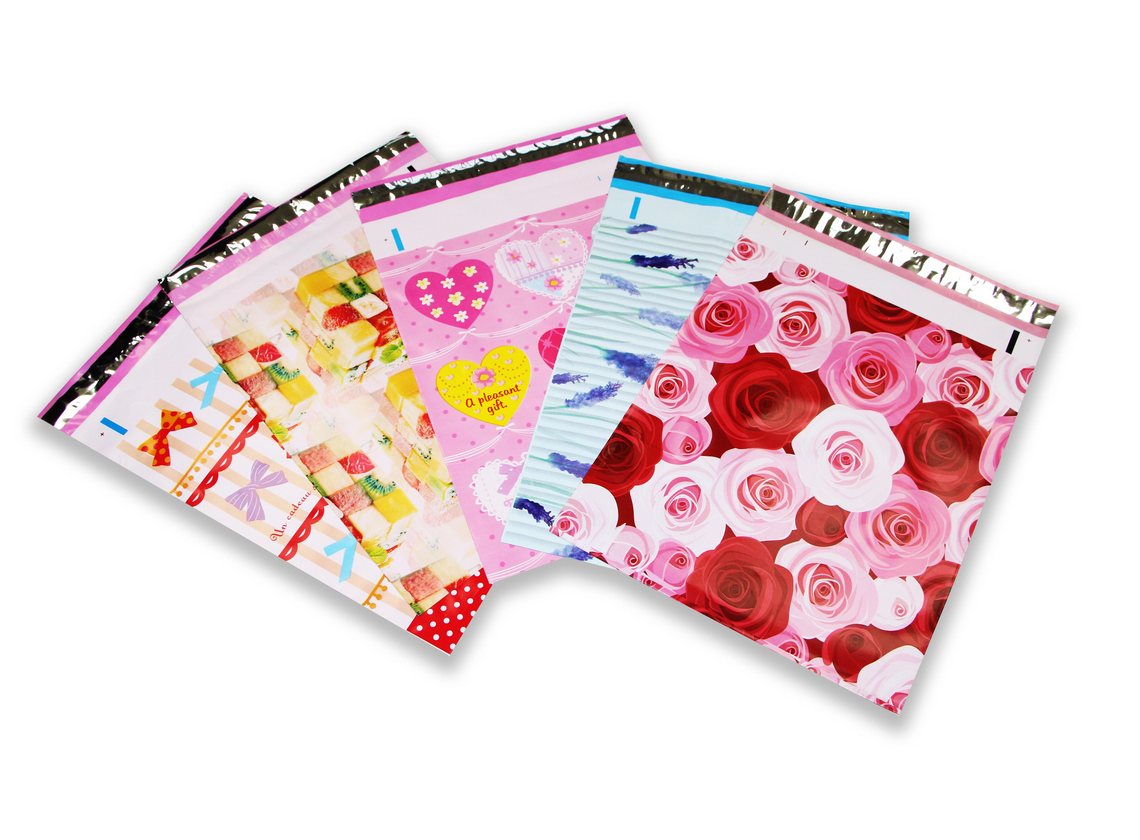
Custom print is where the difference shows most. Flexo plates are a one-time cost per design per color with any supplier, but when your runs are smaller, a logo refresh or a new campaign doesn't leave you sitting on a container of mailers with the old art. You can phase the new design in on the next order.
And you can see where your packaging is made. Buyers in Southern California can cross the border, walk the extrusion, lamination and converting lines, and talk to a bilingual team in person. For a distributor or a brand putting its name on the product, that visit often answers more questions than a spec sheet.
When importing from Asia can still make sense
Importing can still win when the volume is very large, the demand is stable, and the mailers are plain stock sizes that never change. If you move a few sizes in steady, predictable quantities, have the warehouse space and working capital to hold months of inventory, and can live with long and occasionally variable transit, a container program is a legitimate choice, and we'd rather tell you that than oversell.
Compare the full landed picture, not the factory unit price alone: freight, port and customs fees, the cost of carrying inventory, and what a late container costs your operation. Duties and country-of-origin rules depend on the product's classification and current trade policy, and we don't give tariff advice; ask a licensed customs broker how origin and duties apply to your specific shipments.
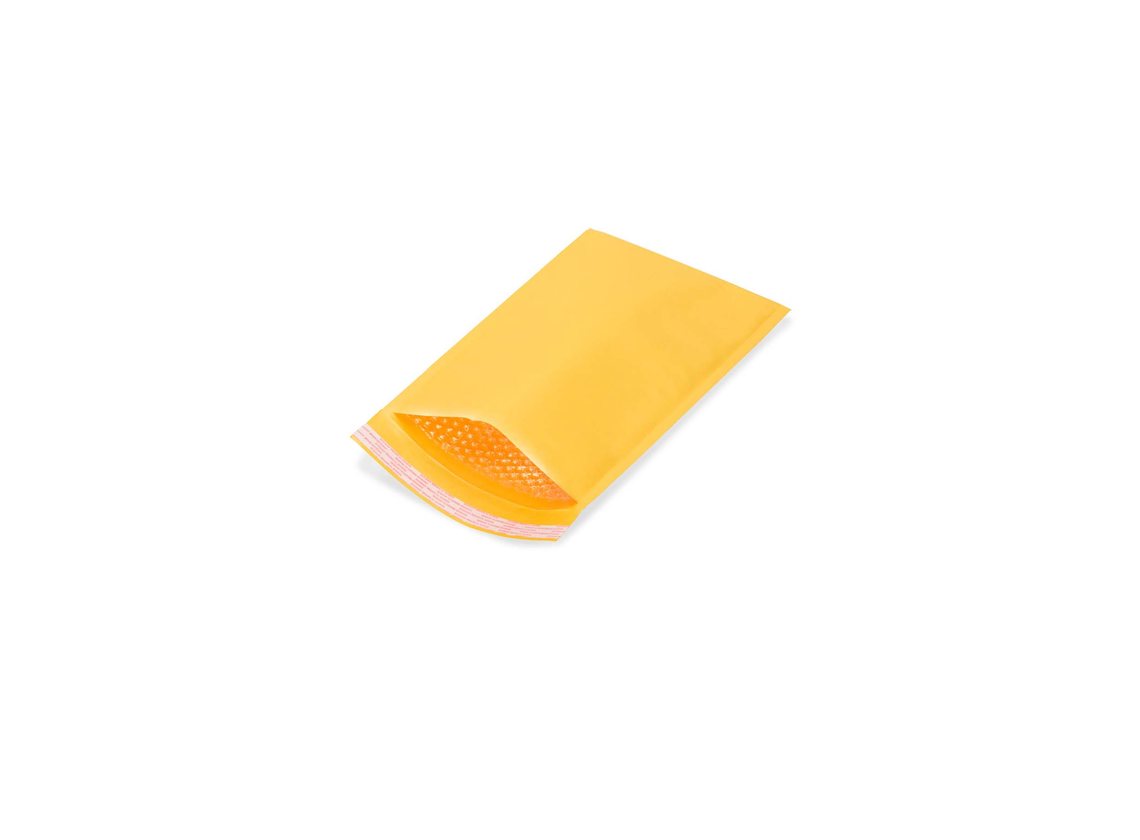
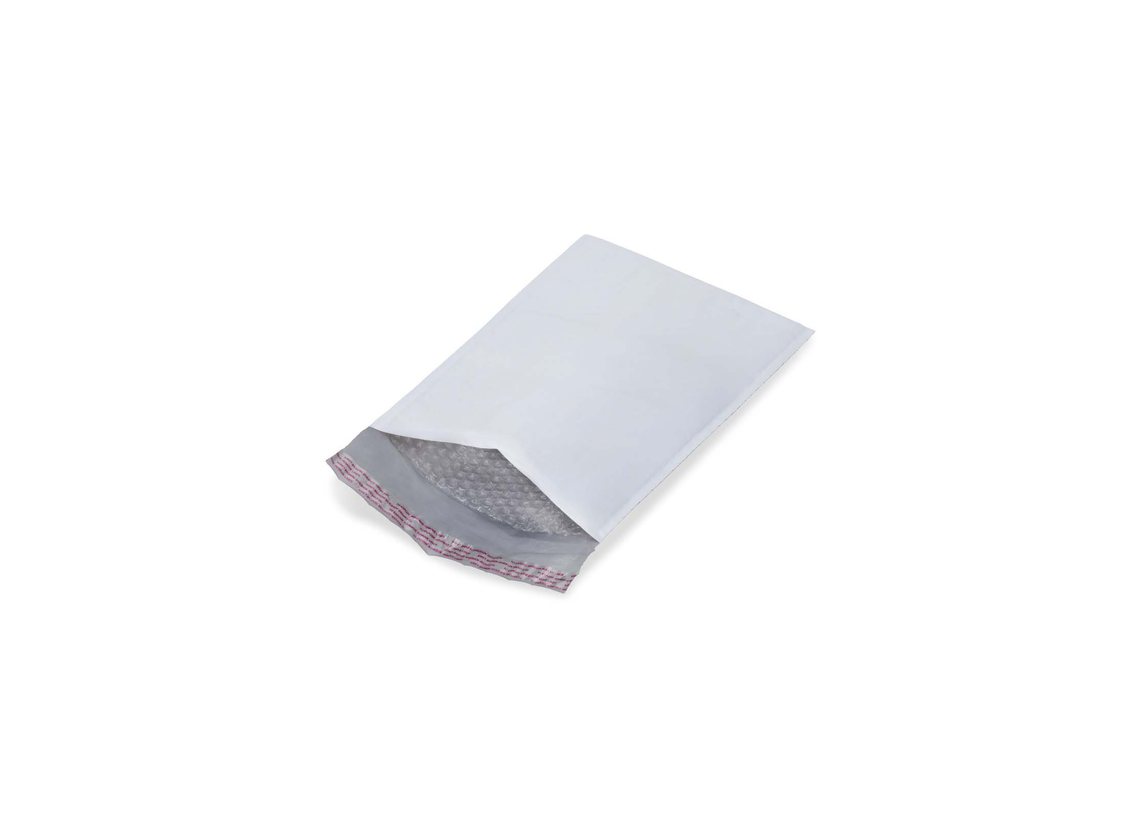
If you want to put a border-made program next to your current import costs, send us your sizes, monthly volume by size and whether the face is plain or printed, and we'll return a job-specific quote you can compare line by line. Our poly bubble mailer page lists the eleven stock sizes, #000 through #7.
Quick answers
Is it cheaper to import bubble mailers from Asia than to buy from a manufacturer in Mexico?
Not automatically: an import's unit price can look lower, but ocean freight, port and customs fees, and the cost of warehousing months of inventory all belong in the comparison. Compare landed cost at the same volume, size and facing.
What minimum order should I expect from a bubble mailer manufacturer in Mexico?
Far below a container load. At Bravo Pack, minimums are confirmed per quote and depend on size, facing and whether the mailer is printed; mixed-size orders often help.
Do bubble mailers made in Mexico pay U.S. import duties?
That depends on the product's classification, its origin and the trade rules in force when you import, so ask a licensed customs broker about your specific shipments. We don't make tariff or duty claims on a buyer's behalf.