Use 3/16" (small) bubble when the item needs cushioning against bumps and drops, and 1/8" (fine) bubble when it mainly needs a thin layer against scratches, scuffs and rubbing. The taller cell holds more air and absorbs more shock; the shorter one wraps thinner and takes up less room in the box or the mailer.
These are the only two heights we make, extruded on our own line in Tijuana, so we see the choice from both sides every day. Here is how to pick without over-packing or under-protecting.
What does bubble height mean?
Bubble height is how tall each air cell stands off the flat base film: 3/16" is about 4.8 mm and 1/8" is about 3.2 mm. Bubble film is made by forming one layer of film into cells and sealing it to a flat second layer, which traps a pocket of air in each cell. The height of that pocket is what the size name describes.
Key fact: 3/16" bubble stands 50% taller than 1/8" bubble (about 4.8 mm vs. 3.2 mm), which is why it gives the product more room to decelerate before an impact reaches it.
Height is the right first spec because it drives both protection and bulk. Width, footage and color come after; you can read how to spec those in our bubble roll buying guide.
3/16" cushions more; 1/8" protects the surface in less space
Taller cells mean more air between the product and the outside world, so 3/16" bubble absorbs more of a drop or a knock. That is the reason it is the general-purpose height for e-commerce wrapping and void fill. The cost of that cushion is thickness: every layer adds more bulk to the pack.
Fine 1/8" bubble is the opposite trade. It gives less shock absorption, but the wrap is thinner, folds more easily around small items and corners, and keeps two surfaces from rubbing against each other without bulking up the package. When the risk is a scuffed finish rather than a broken part, it is often the better tool.
Which products suit each height
Match the height to how the item fails: things that break or dent need cushioning, things that scratch need a barrier. A rough guide:
- 3/16" small bubble: heavier or fragile items such as ceramics, glassware, boxed small electronics, framed pieces and multi-item orders, plus void fill inside a carton.
- 1/8" fine bubble: light items that mainly need scratch protection, such as cosmetics, jewelry, accessories, printed materials and finished or painted parts.
- 1/8" for interleaving: a thin sheet between stacked items, panels or parts keeps surfaces apart without adding much height to the stack.
- Static-sensitive electronics: pink anti-static bubble is available; confirm the height and width you need on the quote.
- Very heavy items: larger bubble (5/16" or 1/2") exists in the market for heavy loads, and we don't make it. If your product needs that, tell us up front and we'll say honestly whether one of our two heights fits the job.
Height changes mailer bulk, carton counts and how you use the film
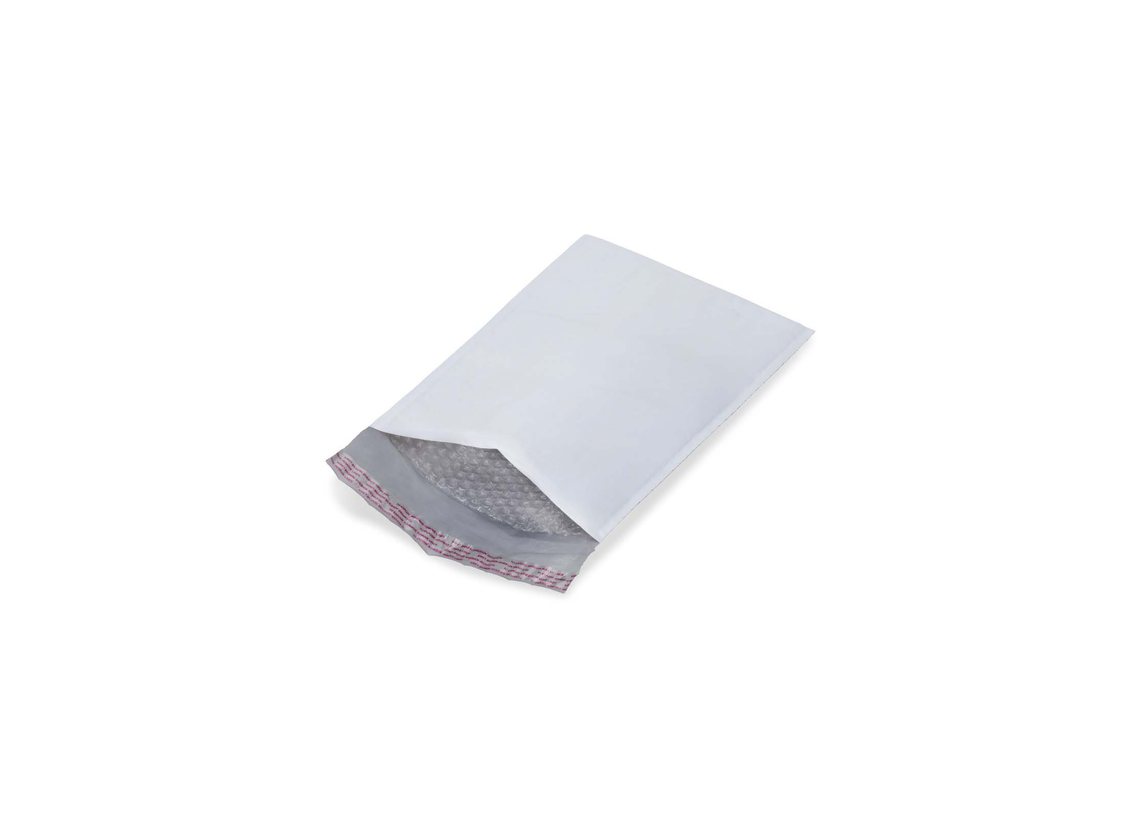
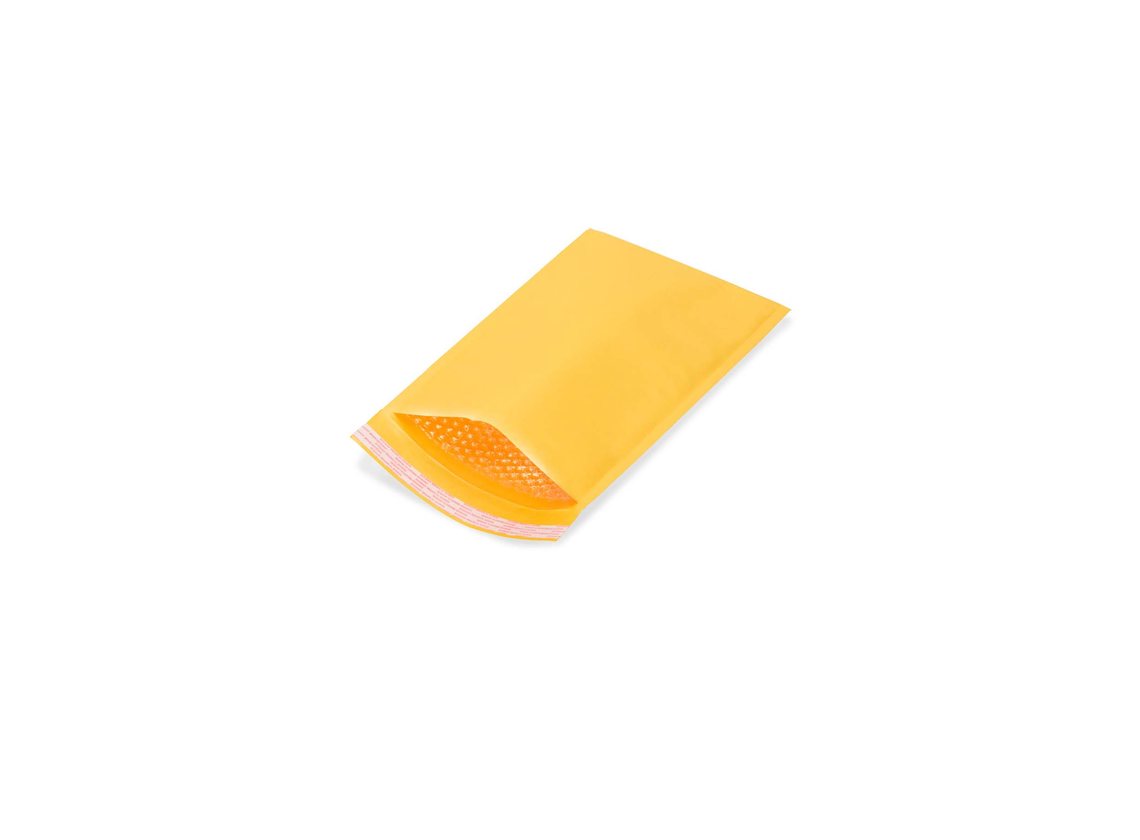
In a bubble mailer, the lining's height sets how thick the mailer is. A taller lining makes a thicker, more cushioned mailer, so fewer fit in each shipping carton, a stack at the pack station takes more shelf space, and the finished parcel is a bit thicker. A fine lining makes a slimmer mailer, so more pack into each carton and the parcel stays flatter. A thicker wall also takes a little room from the inside, which matters when a product is close to the edge of a size. The height of a mailer's lining is part of its spec, so ask which height any quote is based on.
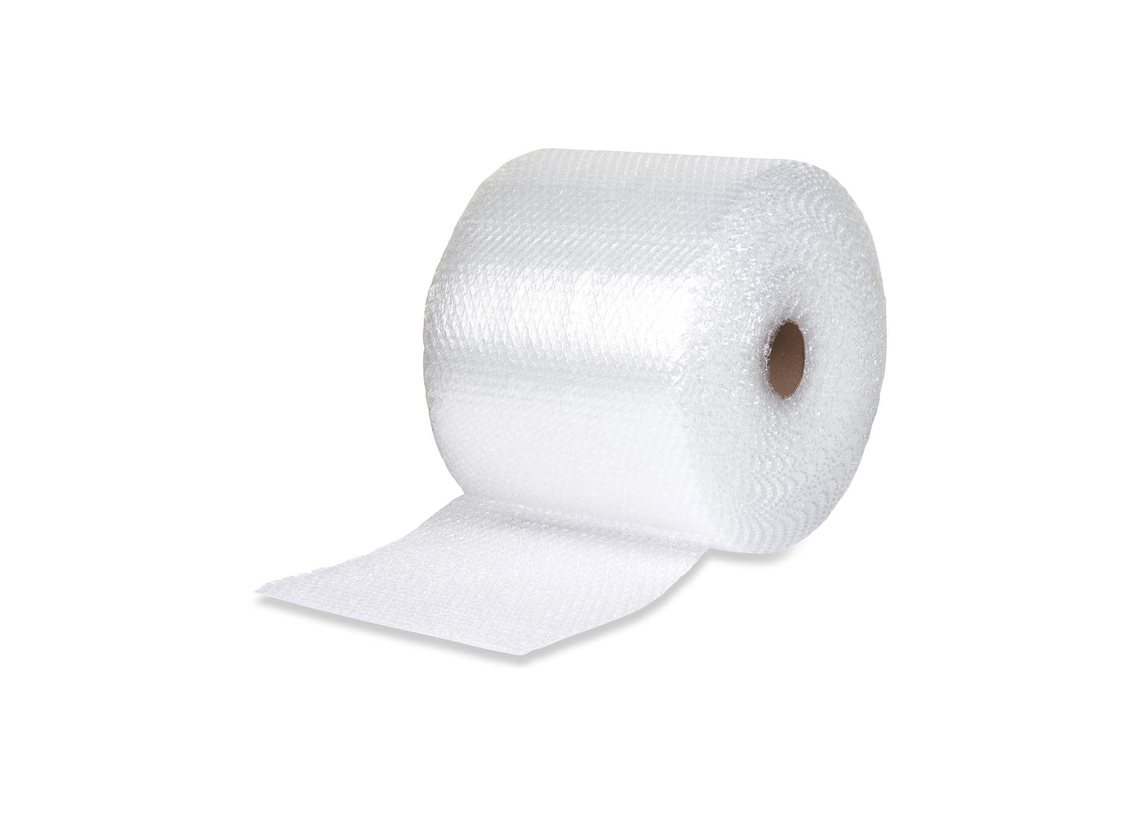
On the roll, the same choice plays out by job. Rolls are for wrapping, void fill and interleaving inside a box; we slit them to your width from a 48" master web and ship them non-perforated, cut at the pack station with a dispenser or blade. Mailers are for items that ship without a box, with the bubble laminated to a poly or kraft face; bubble bags and self-seal pouches sit in between, for items that need a snug sleeve before they go into an outer pack.
If you're not sure which height your products need, send us what you ship and how it's packed today, and we'll quote the height that fits, in roll, mailer or bag form, so you can test-pack real orders before committing. Our bubble roll page covers the roll options in detail.
Quick answers
Is 3/16" bubble better than 1/8" bubble?
Neither is better across the board: 3/16" gives more cushioning against shock, while 1/8" gives a thinner layer for scratch protection and tight spaces. Choose by the item's weight and fragility.
Can I use 1/8" bubble for fragile items?
For light items that mostly need protection from scuffs, yes; for heavier or breakable items, 3/16" is the safer choice because its taller cells absorb more shock. Test-pack a few real shipments before you switch a whole program.
Does Bravo Pack make larger bubble, like 5/16" or 1/2"?
No, Bravo Pack produces only 3/16" and 1/8" bubble. Larger bubble exists in the market for heavy items; if your products need it, tell us so we can say plainly whether our heights fit.